Rare and benign Lesions of the Jaws registry
Audit Lead:
Criteria:
- All patients diagnosed with, being treated and followed up for a rare and benign lesion of the jaws
Data collection:
- Continuous and prospective
- Consented
- Start of data collection: December 2023
Important documents:
Description:
Numerous benign lesions, cysts or solid tumours may present in the jaws. Little is known or understood about these rare types of tumour. They may be of either odontogenic (tooth-forming, in the dental alveolus) or non-odontogenic (mainly bone) origins in the mandible (ICD10: D16.4) and maxilla (ICD10: D16.5). From a diagnosis perspective, these lesions may have similar imaging features and their location, margins, internal contents, and effects on adjacent structures are important features to diagnose them. These rare benign lesions and tumours of the jaws (RLJ) can vary in behaviour, and despite being benign, some can grow rapidly and result in destruction of surrounding structures. Many require often-morbid treatment to prevent their recurrence. In recent years / decades, less invasive and adjunctive treatments have become available to lessen the morbidity associated with surgical treatment. As the molecular and genomic pathogenesis of these lesions is better understood, more directed treatments may lessen the burden for patients.
QOMS is already running an audit / service evaluation for oncology & reconstruction, this means that patients affected by these conditions and undergoing reconstruction to treat their defect may already be included in QOMS. However, that registry does not collect specific data on RLJ or data about patients that do not have reconstruction.
What will that involve?
To discuss what the project entails, please contact Fabien Puglia, QOMS Project Manager.
The first step is to contact your Information Governance or Audit department at your hospital to register the project (to help, feel free to cc Fabien). The protocol and data protection impact assessment (DPIA) above should be helpful with that application.
Once you have obtained approval, contact Fabien to obtain your unit’s unique QR code etc.
How does the project run?
Patient consent is wholly managed online. Patients will be asked to scan a QR code (done on their phones/tablets or computers either in the department or at home) to read an information leaflet and sign a consent form.
QOMS FlexFacs webinar: Management of rare benign lesions of the jaw and the launch of a new national registry (Speakers: Prof Mark McGurk, Mr Vinod Patel, Mr Michael Ho, Prof Keith Hunter & Dr Fabien Puglia)
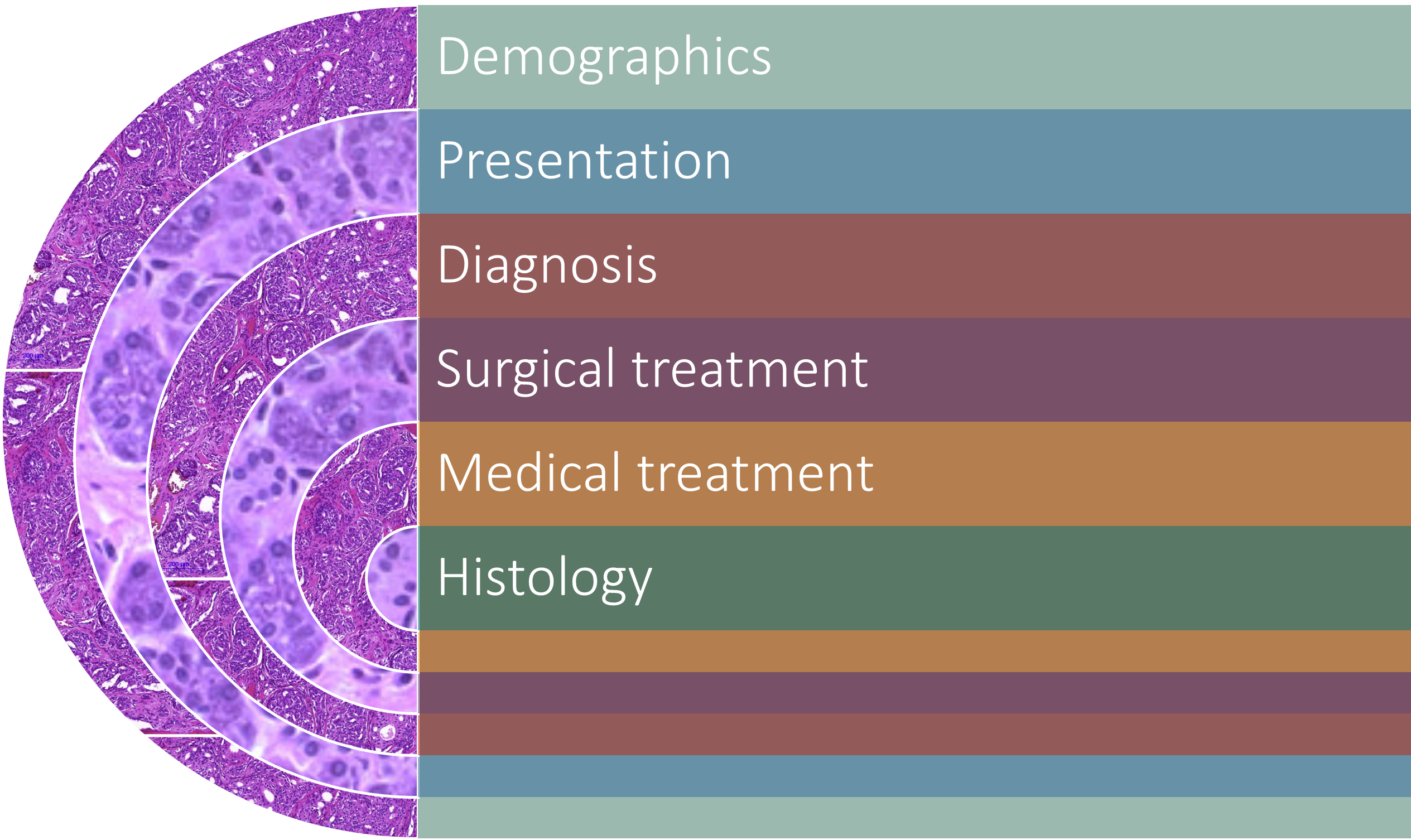
Figure – Data collection for the Rare and benign Lesions of the Jaws
Contact us:
If you have any questions or thoughts you’d like to share with us, please contact Fabien Puglia, QOMS Project Manager

Last updated: 03/2026